Back to School Geometric Mathematics
As the new school year approaches, students and educators alike prepare for a fresh start. Among the many tools that can make this transition smoother, Back to School Geometric Mathematics stands out as a practical and essential resource. Whether you're a student, teacher, or parent, understanding the role of geometric mathematics in education can lead to better learning outcomes, improved problem-solving skills, and a more structured approach to academic success.
At its core, Back to School Geometric Mathematics involves the study of shapes, sizes, positions, and spatial relationships. This branch of mathematics is foundational in various fields, from engineering to design, and plays a crucial role in developing critical thinking and analytical skills. For those entering the classroom, mastering these concepts early can set the stage for long-term academic and professional growth.
The Importance of Geometry in Education
Geometry is more than just drawing shapes on paper—it's a vital component of mathematical literacy. It helps students visualize problems, understand spatial reasoning, and develop logical thinking. These skills are not only useful in math classes but also transfer to other subjects like science, art, and even technology.
For instance, a student learning about angles and measurements may find it easier to grasp concepts in physics or architecture later on. Similarly, an educator using geometric principles can create more engaging lesson plans that cater to different learning styles. The relevance of geometry extends beyond the classroom, making it a valuable tool for real-world applications.
How Back to School Geometric Mathematics Enhances Learning
One of the key benefits of Back to School Geometric Mathematics is its ability to improve problem-solving abilities. By working with shapes, lines, and coordinates, students learn to break down complex problems into manageable parts. This structured approach fosters confidence and reduces the anxiety often associated with math challenges.
Consider a scenario where a student is tasked with calculating the area of a room for a home project. Understanding geometric formulas allows them to measure accurately and avoid costly mistakes. This practical application of math concepts demonstrates how geometry can be both useful and empowering in everyday life.
Supporting Creativity and Design Thinking
Back to School Geometric Mathematics also encourages creativity and design thinking. Students who engage with geometric patterns, symmetry, and proportions often develop a stronger sense of aesthetics and spatial awareness. These skills are particularly beneficial for those interested in fields like graphic design, interior decorating, or engineering.
For example, a young artist might use geometric shapes to create intricate designs, while an aspiring engineer could apply geometric principles to model structures. The versatility of geometry makes it a powerful tool for fostering innovation and artistic expression.
Improving Communication and Presentation Skills
Another advantage of Back to School Geometric Mathematics is its impact on communication and presentation skills. When students learn to describe shapes, angles, and measurements clearly, they become better at articulating their ideas. This skill is invaluable in both academic and professional settings.
Imagine a group project where students must explain their findings using diagrams and measurements. A strong grasp of geometric concepts enables them to present their work more effectively, ensuring that their ideas are understood by others. This clarity can lead to better collaboration and more successful outcomes.
Increasing Efficiency and Accuracy
Geometric mathematics also contributes to increased efficiency and accuracy in various tasks. Whether measuring materials for a craft project or planning a layout for a garden, precise calculations are essential. Back to School Geometric Mathematics teaches students to be meticulous and detail-oriented, which can save time and prevent errors.
This precision is especially important in fields like construction, manufacturing, and computer graphics. Professionals in these industries rely on geometric principles to ensure that their work meets exact specifications. By mastering these concepts early, students gain a competitive edge in their future careers.
Who Benefits Most from Back to School Geometric Mathematics?
While Back to School Geometric Mathematics is beneficial for all students, certain groups may find it particularly advantageous. Young learners who struggle with abstract math concepts often benefit from the visual and hands-on nature of geometry. Additionally, students interested in STEM (science, technology, engineering, and mathematics) fields will find geometry to be a fundamental building block for more advanced studies.
Educators and parents can also play a role in reinforcing geometric concepts through interactive activities and real-world examples. By integrating geometry into daily routines, they help students see its relevance and build a stronger foundation for future learning.
Choosing the Right Tools for Learning
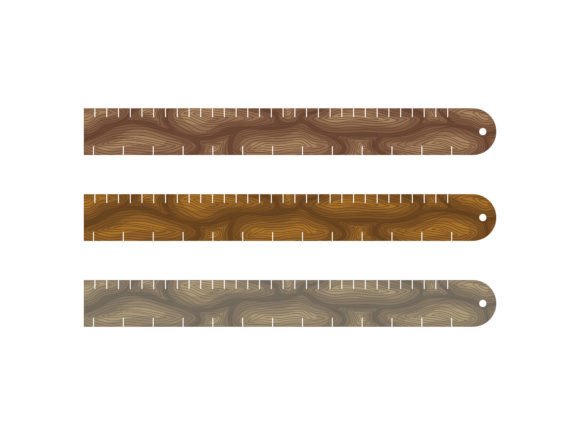
To fully benefit from Back to School Geometric Mathematics, students need the right tools. A reliable ruler, compass, protractor, and graph paper are essential for practicing geometric constructions and measurements. These tools not only enhance learning but also provide a tactile experience that reinforces understanding.
In addition to physical tools, digital resources such as geometry software and online tutorials can supplement traditional methods. These platforms offer interactive lessons and simulations that make learning more engaging and accessible. However, it's important to balance screen time with hands-on practice to develop a well-rounded skill set.
Limitations and Considerations
While Back to School Geometric Mathematics offers numerous benefits, it's important to recognize its limitations. Not all students may find geometry equally engaging, and some may require additional support to grasp its concepts. In such cases, alternative teaching methods or personalized instruction can help bridge the gap.
Additionally, the effectiveness of geometric mathematics depends on consistent practice and application. Students who neglect regular review may struggle to retain what they've learned. Therefore, it's crucial to incorporate geometry into daily learning routines and encourage curiosity and exploration.
Conclusion: Embracing Geometry for a Successful School Year
Back to School Geometric Mathematics is more than just a subject—it's a gateway to critical thinking, creativity, and practical skills. By embracing geometry, students can improve their problem-solving abilities, enhance their communication skills, and develop a deeper understanding of the world around them. For educators and parents, supporting this learning journey can have a lasting impact on a child's academic and personal growth.
As the school year begins, consider how geometric mathematics can play a role in your educational goals. Whether you're a student, teacher, or lifelong learner, the principles of geometry offer valuable insights and opportunities for success. With the right tools, mindset, and support, Back to School Geometric Mathematics can become a powerful asset in your learning journey.